In Barry Lyndon—probably the most visually gorgeous works in Stanley Kubrick’s filmography—its titular opportunist faces off towards his vindictive stepson, Lord Bullingdon, in a duel that may solely be described as one among cinema’s most iconic. But in a puzzling twist, after Bullingdon’s pistol misfires, Barry forfeits his flip, firing his spherical into the earthen floor under.
This transfer, which might price Barry his leg, has baffled audiences for many years as to what precisely his motivations may presumably be. Whereas some may even see the act as a dreadful blunder match for one among Kubrick’s extra complicated and memorable characters, in actuality, the Irishman’s defiance lies not in futility, however in a ultimate, fleeting try at redemption.
Why Barry Lyndon Spares Lord Bullingdon
Close to the top of Barry Lyndon, Lord Bullingdon (Leon Vitali) returns from his self-imposed exile to problem the grieving Barry (Ryan O’Neal) to a duel, marking the fifth time within the movie that the shrewd social-climber stares dying as soon as extra within the face—solely this time as a drained, damaged man following the extended dying of his son, Bryan (David Morley).
Thus, when Barry meets Bullingdon’s problem, which—in distinction to the movie’s two different scenic duels pulled straight from chic 18th-century work, is held in a tithe barn stripped of all semblances of romance—the would-be-aristocrat seemingly has nothing to lose after destiny triggers Bullingdon’s pistol, endowing Barry with the proper alternative to conquer his younger, trembling opponent.
But after a lifetime of resolute opportunism, Barry relinquishes this successful hand, offering Bullingdon with a golden alternative he rapidly pounces on to strike the Irish rogue within the leg. Thus, Barry’s ultimate act of mercy—whether or not out of affection, grief, or some culminating, paternal need to quell the bloodshed—turns into the ironic linchpin to his downfall in a single shattering fell swoop.
The Duel Was Barry’s Final Probability At Redemption
Previous to the duel, Barry’s undoing had already begun through his futile makes an attempt to hitch the aristocracy; his former glories—which had taken him throughout the continent as a soldier, spy, and gambler—had all however evaporated amid the melancholy of his spouse, Woman Lyndon (Maria Berenson)—each from his infidelity and the mounting debt she’d gathered on account of the Irishman’s title-seeking efforts.
All this got here to a head after the dying of Barry’s son—a tragedy the rogue had brought about, partly, by buying the horse that may finish the younger boy’s life. Now alone, heirless, and penniless, Barry as soon as extra encounters Bullingdon, whose conceited march to the Lyndon property is swiftly met by a person now solely pushed by grief and self-preservation.
Barry’s rage evaporates, nonetheless, at Bullingdon’s misfire, a blunder that reveals the boy’s true nature: worry. Although Bullingdon’s cowardice starkly juxtaposes his personal braveness within the duel with Captain Quin (Leonard Rossiter), a lifetime couldn’t erase the reality Barry witnesses in a second as fleeting as rain, but as microcosmic of his life as the cardboard video games during which he constructed his title.
Furthermore, who else stands earlier than him however a scared, fatherless youth in the identical vein as he towards Quin? Although his vanity pervades almost all of Barry Lyndon, this fractional glimpse of Bullingdon’s humanity permits Barry to reconnect along with his personal via the conclusion of a dream he is chased ever since he first left Dublin—the prospect to be a gentleman.
Lord Bullingdon Is An Aristocratic Reflection Of Barry

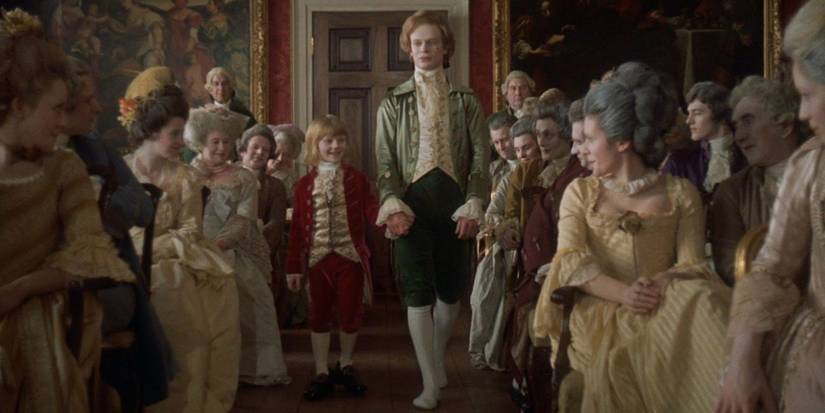
Lord Bullingdon’s function would not perform solely as Barry’s antagonist, nonetheless. Motivated by class and his basic air of superiority, Bullingdon represents Barry from the angle of the aristocracy. Equally fatherless and pushed by a shared need for standing, the pair develop into more and more extra alike because the movie progresses, with Bullingdon exhibiting how Barry would act beneath extra privileged circumstances.
Leon Vitali, who starred as Lord Bullingdon in Barry Lyndon, went on to develop into Stanley Kubrick’s most loyal collaborator and even performed “Pink Cloak” within the director’s ultimate movie Eyes Huge Shut.
In reality, these similarities solely serve to widen the hole between the 2 characters, since, in contrast to Bullingdon, Barry has needed to work for all the things he is constructed throughout his life, albeit largely via scheming and opportunism. In distinction, Bullingdon’s vanity arises from his perceived standing of superiority as of his start, one thing Barry disproves via his mercy of their duel.
The Actual That means Of Barry Lyndon’s Ending Defined

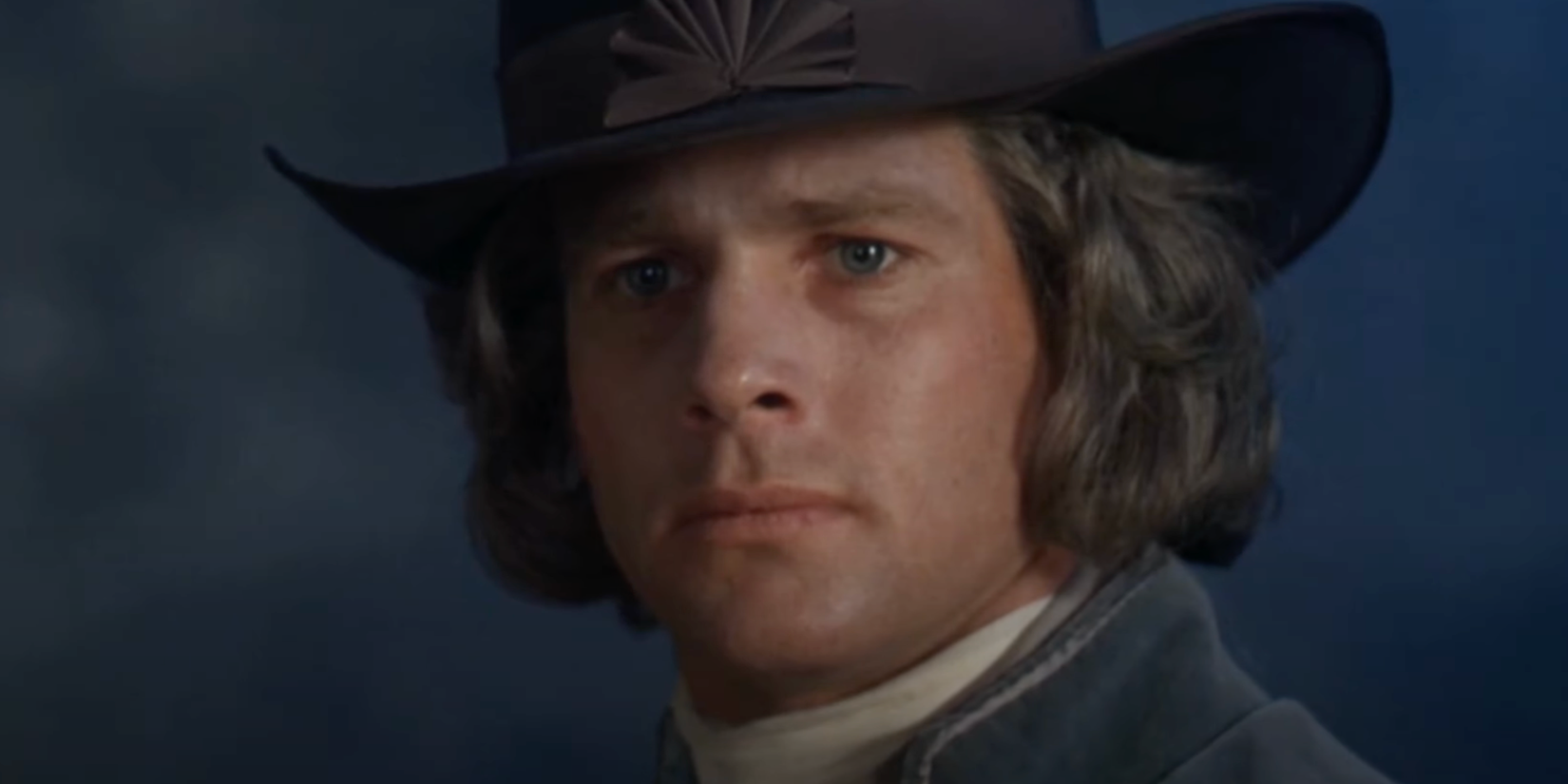
Thus, the movie’s closing epilogue—which reads, “It was within the reign of George III that the aforesaid personages lived and quarrelled; good or unhealthy, good-looking or ugly, wealthy or poor, they’re all equal now,” is a thematic assertion on the movie itself and the way ambition, whether or not prosperous or indigent, shall at all times stay futile earlier than dying’s equalizing hand.
Furthermore, Barry’s mercy turns into all of the extra important in gentle of the movie’s closing argument, because the solely truths withstanding the chopping block are life and its preservation. How unhappy it’s certainly to chase standing one’s complete life for all of it to be forgotten; Barry Lyndon, if nothing else, confirms that the vestiges price saving are love, compassion, and pursuit of redemption.


- Launch Date
-
December 18, 1975
- Runtime
-
185 Minutes