The primary ten minutes of a horror film could make or break its legacy. When a movie immediately defines its tone with a succinct and thrilling opening scene, it’s apparent the film will probably be one thing particular. The perfect did extra that merely hook viewers in, they signalled a masterpiece from the very first body.
Throughout horror historical past, sure movies have delivered iconic beginnings that established their themes with startling precision. Whether or not by means of surprising scares or immersive worldbuilding, these introductions proved their motion pictures had been working on one other stage. They continue to be benchmarks all horror filmmakers examine, have a good time, and goal to copy.
Daybreak Of The Useless (2004)
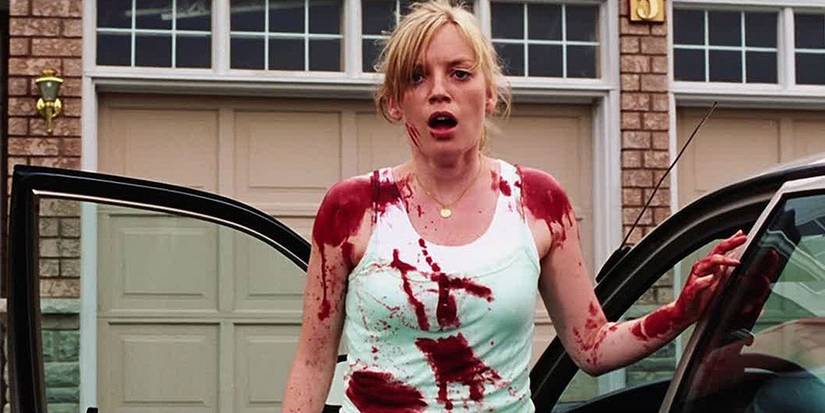
Zack Snyder’s Daybreak of the Useless wastes no time throwing viewers into chaos. The opening ten minutes observe Ana ending her hospital shift and returning residence to a quiet suburban evening. The whole lot feels regular, however the movie subtly builds rigidity with information reviews and eerie neighborhood particulars suggesting one thing catastrophic is about to occur.
When Ana awakens the subsequent morning, the film explodes into full panic. A younger neighbor enters the house zombified, launching the movie right into a surprising assault sequence. The velocity, violence, and disorientation instantly set up the remake’s identification: sooner zombies, relentless hazard, and a world collapsing with no warning. It’s horror with urgency.
Then comes the enduring titled sequence. The Daybreak of the Useless opening titles is maybe the best in horror historical past, with startling visuals depicting the zombie hordes taking on the world. These ten minutes promise a high-intensity, brilliantly directed reinvention of Romero’s traditional.
November (2022)

November opens like a surreal nightmare woven from historic folklore and stark black-and-white imagery. Within the first ten minutes, viewers are launched to the movie’s unusual rural village, the place supernatural creatures wander freely. A sentient kratt (an eerie assemble manufactured from instruments) instantly alerts that the film exists in a world ruled by fantasy quite than logic.
The opening scenes set up November’s tone by means of haunting visuals and darkly comedic touches. A villager bargains with the Satan, whereas others try weird rituals to safe small benefits for the upcoming winter. These moments create an environment each unsettling and unusually playful.
It declares a narrative rooted in unusual moralities and determined survival. By the ten-minute mark, it’s clear November is a singular hybrid of horror, fantasy, and folklore absurdity. Its putting cinematography and unpredictable worldbuilding promise a mesmerizing expertise in contrast to something in trendy style filmmaking.
It Follows (2014)

It Follows begins with an unforgettable monitoring shot of a terrified lady operating from an unseen menace. She flees her home, circles her neighborhood, and jumps into her automotive, completely panicked although nobody else can see what’s stalking her. In mere minutes, the movie builds thriller and dread masterfully.
The subsequent morning, her mutilated physique seems on a seaside – establishing the silent menace as each actual and lethal. This grim reveal units the stage for a narrative the place supernatural guidelines matter deeply and each alternative has deadly penalties. The viewers realizes the movie gained’t depend on bounce scares however on a creeping sense of inevitability.
The opening of It Follows guarantees an elevated horror movie outlined by environment, rigidity, and a brilliantly easy idea. The film’s slow-burn terror and putting visible language are already totally fashioned. It advised a contemporary traditional from the very begin.
Jaws (1975)

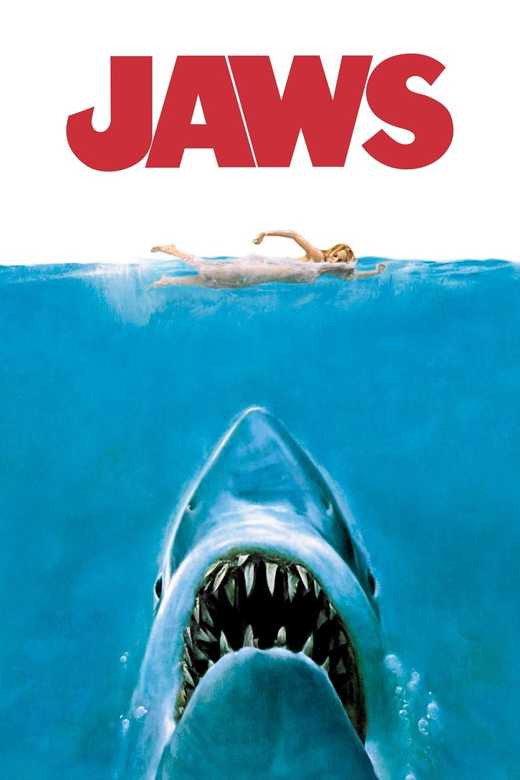
Jaws opens with some of the iconic sequences in movie historical past. A younger girl goes for a nighttime swim, unaware she’s being stalked beneath the waves. The eerie quiet, paired with John Williams’s legendary rating, creates fast rigidity and tells viewers one thing monstrous is lurking simply out of sight.
When the shark strikes, the assault is chaotic and terrifying exactly as a result of viewers nonetheless by no means see the creature. Spielberg’s route focuses on her helpless thrashing and the water’s violent motion, establishing suspense by means of restraint. It’s a textbook instance of how you can scare audiences with out revealing the menace.
It tells viewers every thing they should know in regards to the film whereas establishing its visible language. It’s a movie the place the unseen is lethal, nature is cruel, and hazard arrives with out warning. Jaws declares its cinematic brilliance immediately by means of temper, pacing, and iconic sound design.
A Nightmare on Elm Avenue (1984)

Wes Craven’s traditional A nightmare on Elm Avenue begins with Freddy Krueger crafting his notorious glove in a dirty boiler room. The opening minutes introduce the dreamlike logic of the story, mixing actuality with chilling nightmare imagery. Unusual noises, flickering lights, and smoky shadows create a claustrophobic setting earlier than any character seems on-screen.
The tone shifts to Tina’s nightmare, the place Freddy stalks her by means of a labyrinth of pipes and steam. His distorted laughter and sudden appearances sign a brand new sort of horror villain: one who can assault anyplace, anytime. The scene’s surreal transitions emphasize that the dream world is unpredictable and lethal.
This succinct and terrifying opening scene conveyed every thing viewers wanted to grasp the movie’s central terror. Sleep itself is the enemy. The creativity, environment, and originality of the nightmare sequence set up A Nightmare on Elm Avenue as a groundbreaking slasher.
Frankenstein (1931)

Frankenstein opens with a chilling graveyard sequence as Dr. Frankenstein and Fritz dig up a corpse beneath the quilt of evening. This macabre act units the movie’s gothic environment instantly. Fog, tilted gravestones, and eerie shadows point out that viewers are coming into a world the place science and morality collide in disturbing methods.
The next scenes present Frankenstein getting ready for his notorious experiment. The laboratory brims with weird contraptions and ominous equipment. These visuals create a way of harmful ingenuity, hinting that the physician is obsessive about crossing boundaries no scientist ought to strategy.
It’s thrilling and unsettling. When the ten-minute mark arrives, Frankenstein has already demonstrated its daring ambition. The environment, set design, and themes are unmistakably highly effective, hinting at a masterpiece exploring life, loss of life, and the results of scientific hubris.
Home Of 1000 Corpses (2003)

Rob Zombie’s debut Home of 1000 Corpses opens with a theft sequence inside Captain Spaulding’s gasoline station, instantly establishing its chaotic tone. The combination of darkish humor and sudden violence tells viewers this film embraces pulpy, exploitation-style horror unapologetically. This rigidity between comedy and brutality turns into a part of its unsettling identification.
Home of 1000 Corpses then introduces the touring protagonists, who’re documenting roadside oddities. Their encounter with Spaulding feels off from the beginning. He’s charismatic however undeniably menacing. The unusual environment, mixed with the weird museum exhibit, creates unease lengthy earlier than any precise hazard arrives.
The Home of 1000 Corpses world feels deranged and unpredictable. It’s already clear the movie operates by itself twisted wavelength. The tone, visuals, and characters promise a wild descent into insanity, delivered with confidence and a aptitude for gritty horror spectacle.
The Texas Chainsaw Bloodbath (1974)

The Texas Chainsaw Bloodbath opens with disturbing narration and grotesque photos of unearthed corpses. The documentary-style presentation immediately grounds the phobia in grim realism. Inside minutes, the viewers senses the movie’s uncooked, unpolished power – one thing really horrifying lurks on this model of rural America.
The introduction of the touring group units a deceptively calm tone. Solar-bleached Texas landscapes and gradual, atmospheric pacing distinction sharply with the grotesque imagery that opened the film. The hitchhiker scene rapidly shatters that calm, revealing unpredictable violence to come back.
These opening minutes present that The Texas Chainsaw Bloodbath isn’t fascinated by standard scares. It’s a gritty, relentless descent into terror based mostly on environment and dread. The film’s documentary realism and unfiltered depth make it apparent early on that it’ll turn into a genre-defining masterpiece.
28 Days Later (2003)

28 Days Later opens with a dark and terrifying lab scene that instigated the trend virus narrative. The next minutes present London deserted, reworked right into a silent wasteland. Jim awakens alone in a hospital, wandering by means of empty streets and landmarks that usually teem with life. This haunting imagery instantly units 28 Days Later aside.

Every 28 Days Later Film’s Most Terrifying Scene Defined
The 28 Days Later franchise has featured a few of the scariest horror scenes of the twenty first Century, however that are the most effective sequences from every film?
As Jim explores town, the quiet turns into suffocating. Posters warn of evacuation, belongings are scattered, and overturned buses trace at sudden disaster. The worldbuilding is refined but highly effective, portray an image of whole societal collapse earlier than any contaminated seem. The dread steadily grows because the usually bustling streets are left hauntingly abondoned.
When Jim lastly encounters the contaminated, the movie erupts with terrifying velocity and aggression. These opening minutes reveal a daring new tackle zombie horror: quick, frantic, and grounded. The stark tone and sensible pacing announce a contemporary masterpiece immediately.
Scream (1996)

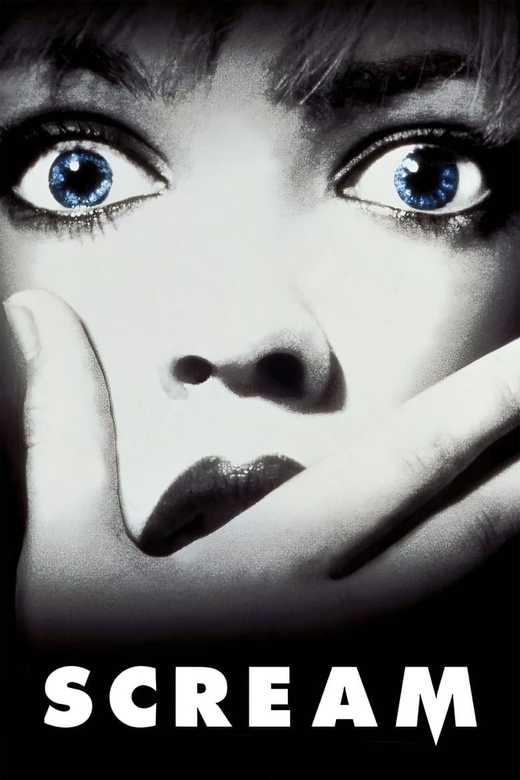
Scream’s opening is likely one of the most celebrated in horror historical past. Casey Becker’s cellphone name begins playful however rapidly turns into sinister because the mysterious caller reveals he’s watching her. The stress escalates naturally, demonstrating Wes Craven’s mastery of suspense and meta-aware dialogue. The dread builds with every minute.
Scream then weaponizes viewers expectations. As a substitute of treating Casey as a long-term protagonist, it brutally dispatches her throughout the first ten minutes. Her determined chase, failed escape, and tragic loss of life present that the film isn’t sure by conventional slasher guidelines. No character is protected – not even main stars.
These early minutes redefine the style, mixing razor-sharp writing, actual hazard, and self-aware humor. Viewers instantly perceive they’re witnessing a recent, intelligent masterpiece that revitalizes horror by honoring and subverting its conventions. Scream delivered some of the dynamic and genre-defying opening scenes in horror historical past.
-

November
- Launch Date
-
October 22, 2017
- Director
-
Rainer Sarnet
-

It Follows

7/10
- Launch Date
-
March 27, 2015
- Runtime
-
101 minutes
-
Jaws
10/10
- Launch Date
-
June 20, 1975
- Runtime
-
124 minutes
-

A Nightmare on Elm Avenue
8/10
- Launch Date
-
November 9, 1984
- Runtime
-
91 minutes
-

Heather Langenkamp
Nancy Thompson
-

John Saxon
Lieutenant Thompson
-

Frankenstein
- Launch Date
-
November 21, 1931
- Runtime
-
70 Minutes
-

The Texas Chainsaw Bloodbath
- Launch Date
-
October 17, 2003
- Runtime
-
98 minutes
-

Jessica Biel
Erin Hardesty
-

-

Andrew Bryniarski
Thomas Hewitt / Leatherface
-

-

28 Days Later
8/10
- Launch Date
-
November 1, 2002
- Runtime
-
113 minutes
-
Scream
- Launch Date
-
December 20, 1996
- Runtime
-
112 minutes