

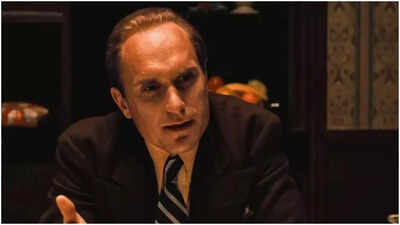
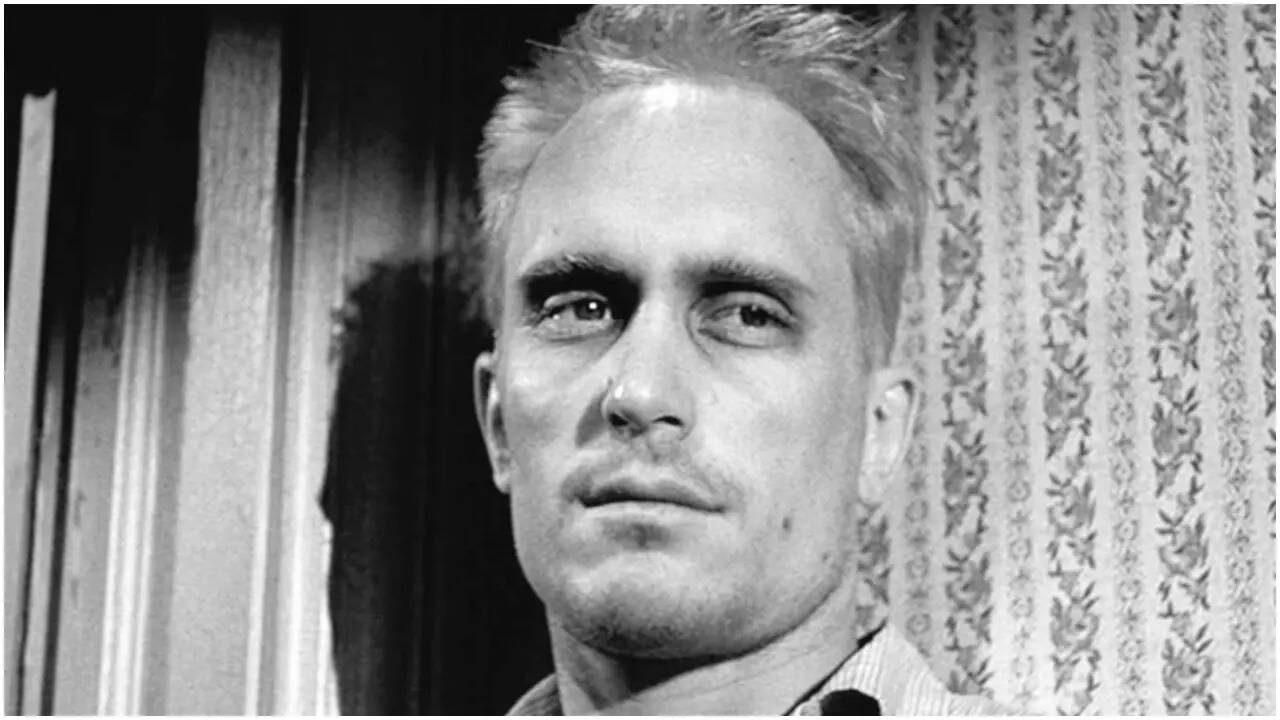
“A lawyer along with his briefcase can steal greater than 100 males with weapons.” Everybody remembers Robert Duvall as Tom Hagen once they hear that line, as a result of in a single sentence, he distilled the essence of a personality who quietly reshaped how cinema understood energy. Hagen was not the loudest presence in The Godfather, nor probably the most feared, nor probably the most flamboyant. He was one thing extra enduring: the thoughts that translated violence into legitimacy, chaos into order, crime into process. With that function, Duvall created a contemporary archetype of the counsellor, one whose authority got here not from charisma however from self-discipline, calmness, and the power to make the inevitable sound affordable. It’s becoming that when Duvall died at 95, the picture that returned most vividly was not of a grand speech or a theatrical flourish, however of a person talking quietly whereas the equipment of energy moved round him.But Duvall’s legacy extends far past Hagen, although Hagen stays its most exact expression. He first entered the cinematic creativeness as Boo Radley in To Kill a Mockingbird (1962), a job that lasted solely minutes but remodeled the emotional core of the story. Boo exists for a lot of the movie as hearsay and concern, a determine formed by prejudice relatively than actuality. When Duvall lastly seems, he does one thing extraordinary: he replaces delusion with humanity. His Boo appears to be like fragile, virtually startled by gentle, a person who has lived too lengthy in isolation. The efficiency turns a narrative about concern right into a story about empathy, distilled within the easiest line spoken to him: “Hey, Boo.” In that quiet second, Duvall revealed a lifelong inventive intuition: to find vulnerability the place audiences anticipated spectacle.
A decade later, he remodeled that intuition into a really completely different type of restraint with Tom Hagen in The Godfather. Hagen is neither a gangster nor a hero. He’s the language that makes gangsters sound respectable. Duvall performs him with a composure so full that it turns into unsettling. Hagen doesn’t argue morality or indulge emotion; he manages outcomes. His presence reframed the cinematic thought of the counsellor. Earlier than Hagen, advisers had been usually portrayed as both ethical voices pleading for restraint or conspirators whispering betrayal. Duvall created one thing extra complicated: a counsellor whose function is to not choose however to make sure continuity. He embodies the uncomfortable reality that techniques endure not due to drive alone, however as a result of somebody interprets drive into legitimacy.
Then got here Lt. Col. Invoice Kilgore in Apocalypse Now, maybe Duvall’s most culturally enduring efficiency. Kilgore is charismatic, assured, and completely coherent in his worldview. What makes him terrifying shouldn’t be instability however conviction. He believes totally in what he says, and that perception makes his most well-known line unforgettable: “I like the scent of napalm within the morning.” Delivered with informal satisfaction, it captures a chilling reality in regards to the human capability to aestheticise destruction.
Duvall’s profession repeatedly returned to father figures, the place his restraint turned virtually painful to look at. In The Nice Santini, he performed a Marine officer whose identification relied on management and authority. The character is horrifying exactly as a result of he’s recognisable: a person who confuses dominance with love. His defining declaration, “I’m the Nice Santini,” reveals a tragic want to say identification loudly as a result of he can’t maintain it quietly.He later supplied a hanging counterpoint in Tender Mercies, portraying Mac Sledge, a former nation singer battling alcoholism and remorse. The efficiency rejects dramatic transformation in favour of gradual restore. Duvall’s determination to sing himself gave the function an authenticity that can not be replicated. Mac’s most revealing line, “I don’t belief happiness,” displays a lifetime formed by disappointment and cautious hope.
Throughout all these roles runs a single thread: Duvall’s dedication to authenticity. He didn’t search consideration by way of flamboyance. He constructed characters by way of statement. Even his most theatrical performances felt anchored in lived actuality. He may transfer between genres with out altering his technique as a result of his focus remained fixed: the human being beneath the function.That’s the reason his legacy can’t be decreased to iconic moments alone. His greatness lies in consistency. He handled appearing not as spectacle however as self-discipline. He by no means tried to make audiences admire him. He aimed to make them recognise one thing true.Boo Radley stepping out of shadow in To Kill a Mockingbird: “Hey, Boo.” Tom Hagen in The Godfather: “A lawyer along with his briefcase can steal greater than 100 males with weapons.” Lt Col Kilgore in Apocalypse Now: “I like the scent of napalm within the morning.” Bull Meechum in The Nice Santini: “I’m the Nice Santini.” Mac Sledge in Tender Mercies: “I don’t belief happiness.”Completely different movies, completely different many years, completely different aspects of the identical nation. One actor dedicated to a single precept: reality introduced with out decoration.